
East Bay house from 1785 sells for $8.4 million
The home features original architecture and a secret tunnel.
CHARLESTON — The Holy City has plenty of properties dating back decades to hundreds of years, but few have been so pristinely maintained, the agents who brokered the sale of 55 East Bay St. said.
The sale of the Charleston property, known as the Jonathan Simpson House and bookended by Rainbow Row and The Battery, closed late last month. Elizabeth Fort was listed as the owner of the house, having purchased it in February 2014 for $2.9 million, according to Charleston County real estate records. The buyers, Shawn and Molly Roberts, closed on the sale Jan. 29.
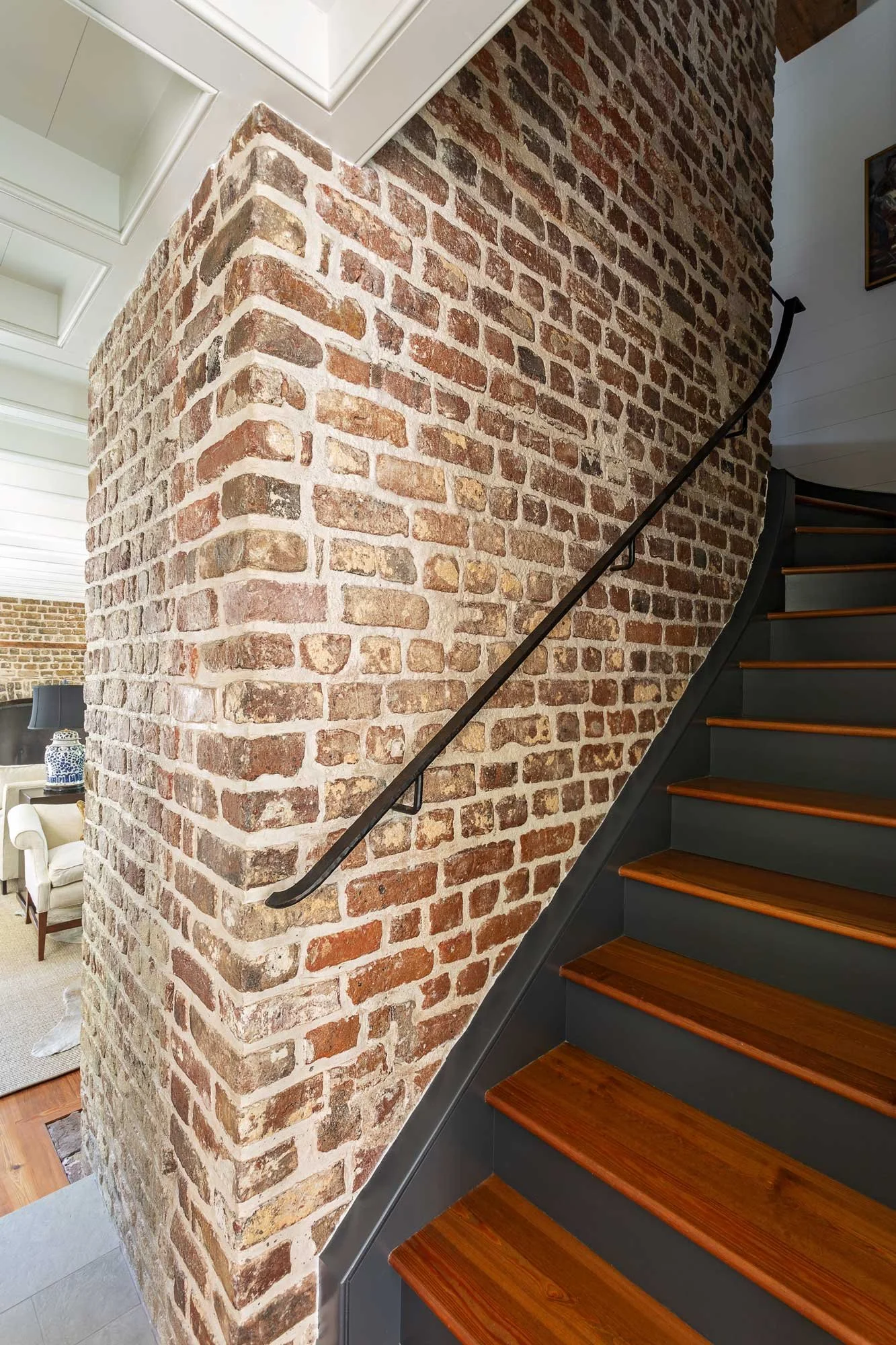
At four stories tall, the Georgian house was built circa 1785, and the various owners have preserved the history of the house even with renovations over time. The original wooden stairway and much of the original molding, cypress paneling, doors and interior shutters remain in tact, Scott Cheney and Debbie Peretsman with Indigo Properties Charleston, an affiliate of The Boulevard Co., told The Post and Courier.
“The historical integrity that still remains is significant, and the owners did a phenomenal job at modernizing it, yet keeping a lot of the historic (characteristics),” Peretsman said.
Jonathan Simpson, a wealthy merchant at the time, built the house within the original walled city. Charleston is one of only three cities in the world that was totally fortified by walls and bastions, the Historic Charleston Foundation noted in documents on the house. Simpson acquired the land from the Pinckney family, who built the companion house next door. Simpson hit financial struggles and was forced to sell the house at auction in London in early 1788, the Historic Charleston Foundation said.
A range of owners, including an Episcopal minister, took over the property until the Civil War, when it became a boarding house with each room a separate apartment. Soon after, the house got a somewhat infamous reputation as it was allegedly one of the final prostitution houses in Charleston, raided by the police in 1958.
“On a Sunday in 1958 a Madame called ‘Black Maria’ reportedly removed five girls and fifteen sailors from the establishment,” the Historic Charleston Foundation document said.
The house was restored as a single-family house dwelling in the 1960s and historians attribute the quiet years after as a probable reason the house’s original woodwork and other features remained in tact. It was renovated in 1985 by the owners at the time, and again by the Forts in the last decade. The five-bedroom, five-bathroom masonry house today sits on a more than 8,000-square-foot lot and is a single-family residence despite appearing connected to 53 East Bay, The Charleston Club. The social organization was founded in 1852 by a number of “prominent Charleston gentlemen,” according to the S.C. Historical Society, and moved to East Bay Street in 1958 where it still operates.
One of the more interesting features of both houses is the tunnel that travels underneath — since blocked off — that the men allegedly used to sneak from 53 East Bay into the brothel.
Inside 55 East Bay, grand rooms have 12-foot ceilings and pine floors that run the extent of the house. The house also features the original staircase that leads up all four flights. Of further architectural significance is the cantilevered marble balcony that is built off the second floor and is allegedly the only one in Charleston constructed in this way, Cheney and Peretsman said.
The second floor includes the primary suite and a private porch, with two more bedrooms with en-suite bathrooms and a laundry room on the third floor. The fourth floor is laid out as a two-room guest suite with its own living room, a full bathroom and views of the Charleston Harbor.
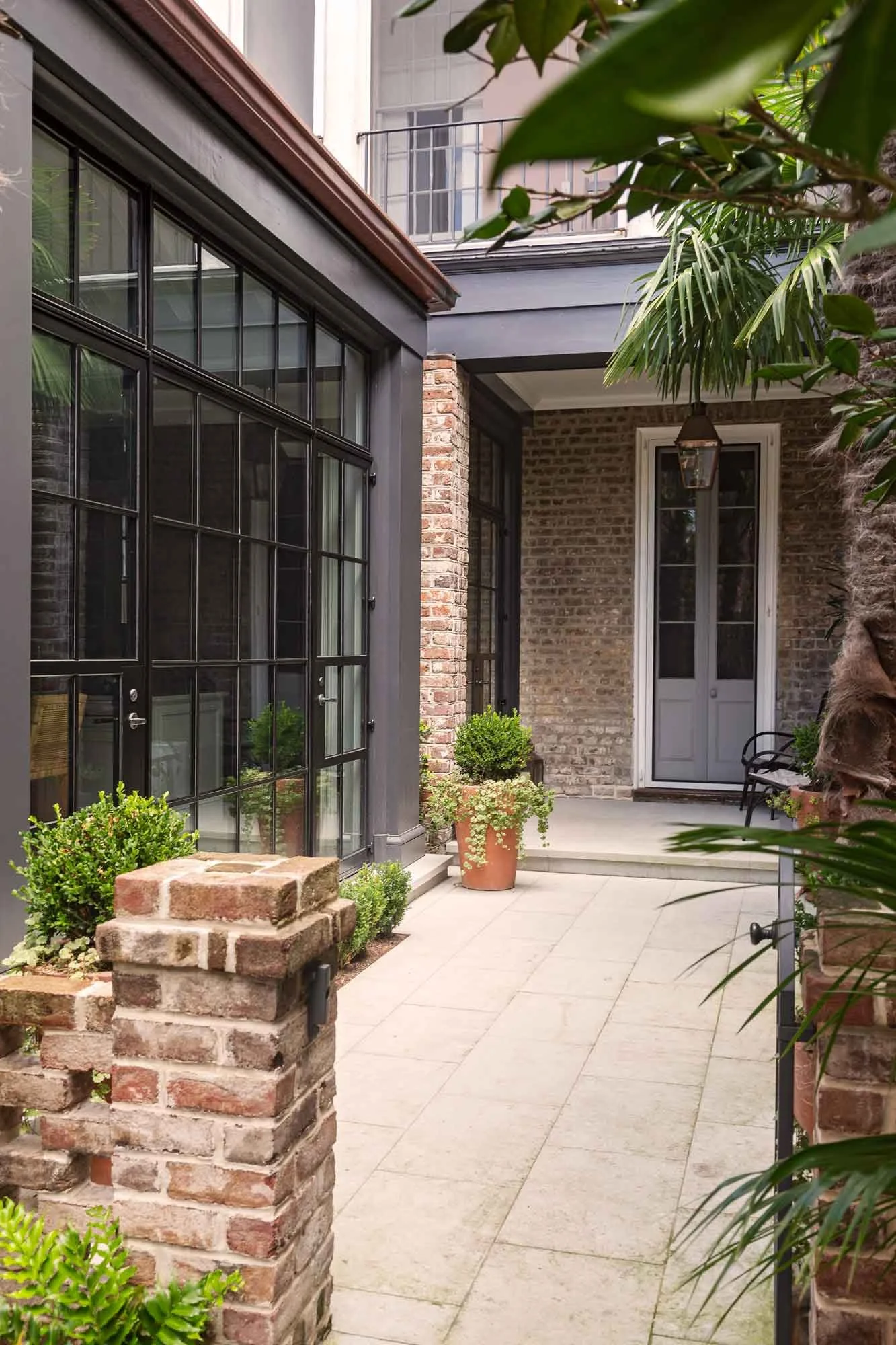
As part of their renovations in the last decade, the Forts created a hyphen to connect the original home and a kitchen house in the back. Charleston architects Dufford Young, with construction by Artis, won a 2019 Carolopolis Award for the preservation project. The former kitchen house now serves as a guest suite, or office, with a large living room flanked by original cooking fireplaces almost large enough to stand in that Cheney said he’s never seen before in a downtown historic house.
“The owners did everything right — from a thoughtful historic renovation to impeccable décor. With the right team of professionals and a boutique luxury firm providing global marketing, the result was a beautifully positioned property that achieved top dollar,” Cheney said.
Written by Teri Errico Griffis